

How to help children deal with grief and loss
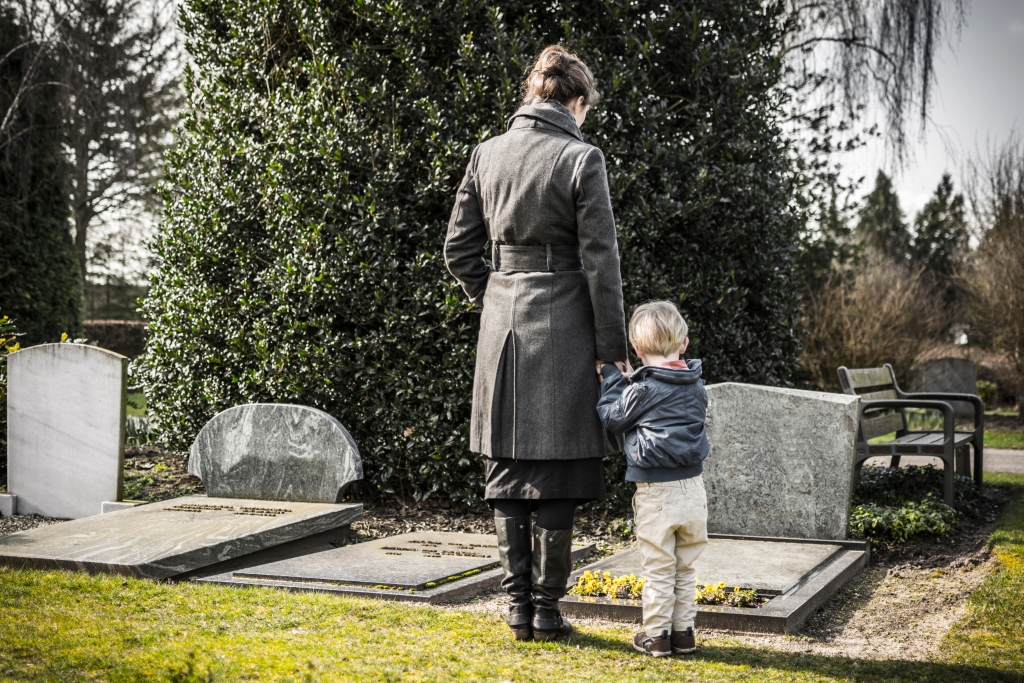
Dealing with a loss can be an emotionally difficult situation for anyone, especially for younger children who may not have a full understanding of the concept of death yet. It can be hard for children to come to terms with the idea that this person in their life will no longer be around, however, there are some ways to make this transition easier for both children and the family as a whole.
Knowing how to support a child during grief can be tricky, especially if you are grieving too. Although you can’t protect children from the pain of a loss, you can help them to build healthy coping mechanisms and support them in the ways they need during this difficult time. Keep reading as we delve into the many ways children respond to grief and offer advice on how you can support them at this time.
In what ways do children respond to grief?
Every child will have a unique response to grief and their developmental level and age will heavily influence their understanding of death. Although it may be difficult to talk to your children about the reality of the situation, especially when you’re grieving too, it’s an important step in building their understanding of life and death. No matter how your child chooses to respond to grief it’s important to be as open and honest with them as possible about the situation and allow them to experience their grief in whatever way works best for them. Below we have broken down how children of various age groups each respond differently to grief so that you can find tailored bereavement support advice to your situation.
How babies respond to grief
Babies don’t have the cognitive capability to understand death as it is such an abstract concept and they function very much in the present moment – this usually means that grief doesn’t affect them in the same way as it does children with a concept of object permanence. However, if a significant figure in their life passes, such as a primary caregiver, they may become more aware of the loss as they experience separation and change to routine. For babies and young children under the age of 2, you may expect to see the following changes in their behaviour as a response to loss:
- Irritability and temper tantrums
- Constant crying
- Separation anxiety
- Change in sleeping and eating habits
- Decreased activity
- More clinging behaviours.
Children of this age tend to react to the emotions and behaviours of the adults in their environment, therefore any disruptions to their schedule or nurturing routine may cause them to feel tremendous discomfort and anxiety.
How children aged 2 to 4 respond to grief
Similar to babies, children aged between 2 and 4 years old cannot comprehend the concept of “forever” which death brings up, therefore many children of this age may see death as temporary. This can be difficult for both children and caregivers as the children are likely to ask more questions about the person who’s no longer in their lives. This age is when children start to learn how to trust and form attachments to others, they are very present-oriented and if a significant person in their life dies, they can become concerned about the separation as they can’t yet understand the permanence of death.
The way children between 2 and 4 years of age may respond to loss will be influenced by the reactions of the adults in their lives. If they sense that their parents are sad or worried, they may be more likely to throw a tantrum or cry. Some of the most typical grief responses for this age include:
- Confusion
- Nightmares and difficulty sleeping
- Temper tantrums
- Withdrawing from others
- Regressive behaviours such as thumb sucking, bed wetting and clinging
- Separation anxiety.
How children aged 4 to 7 respond to grief
Between the ages of 4 and 7, children will still see death as something that is temporary, believing the person they have lost will come back. Children at this time may also start to believe that it is their fault that the person in their life has passed, believing that their own negative thoughts may have been the cause. This thought process stems from the fact that children at this age believe that everything in their environment revolves around them, therefore they are in control of the things happening around them.
The response children at this age will have to death will be largely similar to those behaviours exhibited in younger ages, however, they may also start to express their feelings through play and asking questions surrounding the topic of death. Some children at this age may appear to be unaffected by the death and act as if nothing happened, this is not something to worry about as it may just simply be a result of their inability to acknowledge a painful reality. They may also start to regress in their behaviours as a way to receive more attention and care during this time, for fear of other loved ones leaving them as well.
How children aged 7 to 10 respond to grief
Children aged 7 to 10 are likely to begin to understand death as something permanent, however, this may come with a lot of questions and curiosity about the details of death, so it’s important to be prepared for these candid questions. They may still have unrealistic beliefs about death such as viewing it as some sort of punishment or only as something that happens to old people and they may struggle to comprehend how death will affect their life.
At this age, with a new understanding of death, it is possible that they may start to fear loved ones dying and may deal with grief by becoming more concerned with others than themselves. A few of the most common response to grief at this ages include:
- Poor concentration at school
- Acting out and showing aggressive behaviours
- Changes in eating and sleeping patterns
- Signs of depression or anxiety
- Withdrawing from friends and family.
Children at this age are able to use coping strategies more easily than younger children and may use playing as a way to express feelings, or they may even take over the role of the person who has passed as a way to maintain a connection with them.
How children aged 10+ respond to grief
By the age of 10, children will now have an understanding of death and be aware of its permanence, trying to understand both the emotional and biological sides. In the pre-adolescent stage, children are gaining more independence from their guardians and creating strong ties with peers, which may affect their response to grief. If they have lost a primary caregiver they may start to worry about practical issues after a death, such as how the household will survive or how they will be taken care of. It may also bring up questions of religious or cultural beliefs surrounding death.
It’s common for children at this age to hide their feelings and emotions when it comes to dealing with grief as they may be worried about how it looks to their peers. Because of this, children aged 10 and up may respond to grief by seeming indifferent to the situation, however, it could also cause them to express their grief uncharacteristically, showing symptoms such as:
- Anger and irritability
- Dramatic mood swings
- Changes in sleeping and eating patterns
- Indifference toward schoolwork
- Isolation from their peers
- Depression and anxiety.
How can you help a child cope with grief and loss?
Although each child will respond differently to loss, there are many ways to help a child cope with grief that will work for any level of maturity and understanding.
Be available.
Whether you’re available to them as an outlet to talk about their feelings or as a way to engage in normal everyday activities that may help them to process, one of the most important ways to help any child cope with grief is to make them aware that you are available to them in any way that they need.
Accept any expression of emotion.
Grief brings up a lot of emotions, especially for children who may not have a full understanding of the situation or what their feelings are. Therefore it’s important to let them express themselves in whatever way they choose, whether that be sadness, anger or withdrawal. This will teach them to trust their emotions and know that it is okay to feel whatever way they need to and will make them more likely to feel comfortable enough to open up in the future.
Be patient, honest and open.
As each child deals with grief in their own way, ensuring you are patient, honest and open with them throughout the grieving process is one of the best ways to show them that they are supported. Children of any age will be aware of what is happening around them, therefore you should ensure you have an open and honest conversation with them about what is happening and avoid telling them things such as, ‘they’re just sleeping’ as this will make it more difficult for them to understand. Be ready for children to want to talk about the passed loved one and make sure to not shut them down when they do.
Listen more, talk less.
The key to making sure children feel safe and comfortable talking about their feelings throughout the grieving process is to always listen to them. Refrain from bombarding them with your own thoughts and feelings around the situation and instead offer support when they look for it and ask open-ended questions that can help them discuss their feelings. Approach them with empathy and offer supportive statements that reflect your relationship with the deceased as well as theirs.
Be aware of warning signs.
Older children, particularly pre-adolescents and teens, are at a higher risk of masking their grief with dangerous behaviours. They may find it difficult to talk about their emotions with caregivers or friends and as a result may resort to negative coping mechanisms, therefore it’s important to be aware of any warning signs that may indicate they are in danger. If you are worried about how a child is coping, never hesitate to seek professional help for advice.
What not to do when a child is grieving?
Helping children to grieve can be difficult to navigate as each child’s grief will show up differently depending on their age and the relationship they had to the person who has passed. This can make it challenging to know the correct ways to support a child going through the many stages of grief, however there are a number of things that are important not to do during this time.
Don’t pretend that everything is normal.
No matter what age the child is, they will be able to notice that something has changed. It’s important to acknowledge the death and if you feel ready, explain to the child how and why the person has passed and make it clear that it’s okay that things may feel different now.
Avoid judgement.
There is no right or wrong way to deal with grief and every child will respond differently, however it is important that you do not judge the ways they choose to cope. Be mindful that they may be experiencing a lot of inner turmoil and may not know how to feel right now. Whether they choose to demonstrate dramatic behaviours or withdraw from those around them, let them express grief in any way they feel necessary. The only time we suggest stepping in is if there is a safety concern.
Avoid telling them to “cheer up”.
Grief is a very painful feeling for anyone, especially children who may not fully understand the situation. Therefore we suggest avoiding sayings such as, “cheer up”, “don’t cry”, “be a big girl/boy”, as this will likely make the child feel like their emotions are a burden and make them less likely to communicate with you about how they are feeling.
Get bereavement support from Heart of England Co-op Funerals
If you’re struggling to manage a child’s grief or looking for support to help you through a loss, here at Heart of England we have a wonderful team available to help. Find out more on the bereavement support available to you or alternatively, get in contact with us for support during this difficult time.
 Twitter
 Facebook
 Instagram