

Deciding whether to view your loved one – is it right for you?
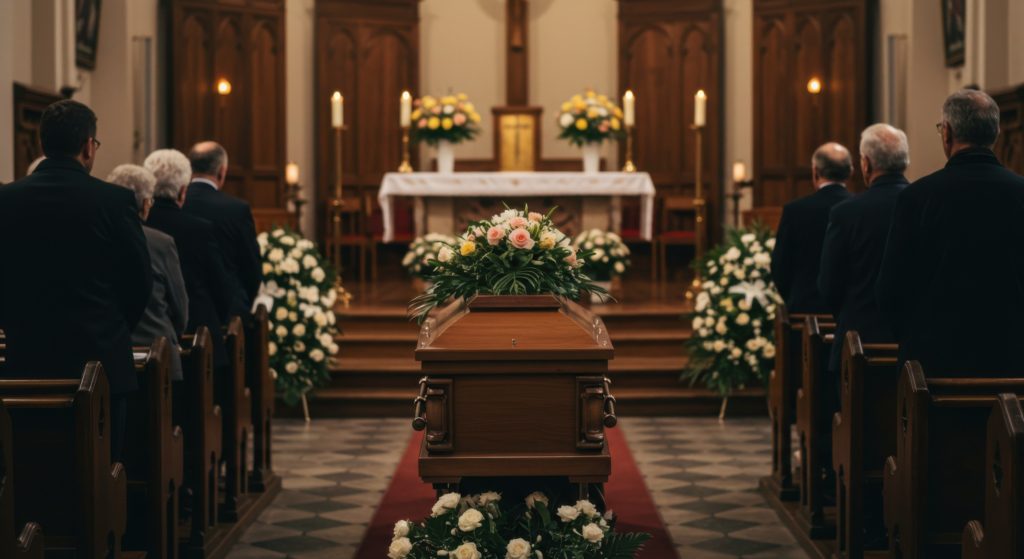
At the difficult time of loss, we are often faced with questions and choices we never thought we’d have to make. One of the biggest decisions includes deciding whether or not to view their body. For some, it offers a sense of closure and a final opportunity to say goodbye. For others, it may feel overwhelming or potentially conflicting with how they wish to remember the person they loved.
There is no right answer, and it’s a deeply individual decision that can be shaped by numerous factors. In this blog, we’re going to explore all these factors, the potential emotional impact, and what to expect from the process to help support you in making the right decision for you.
What is the purpose of viewing the deceased?
A wake or visitation offers time for friends and family to pay their last respects before the funeral. Viewing the body of a loved one is a way for family and close friends to say goodbye, start to accept the loss and begin the grieving process. This practice is found in many cultures and has been around for centuries. It can also help people come to terms with the reality of loss.
Whilst this may be a helpful process for some who seek closure, for others it may cause distress. It’s okay if you don’t want to be a part of this process, but if you’re still unsure, then keep reading, as we’re going to discuss more about the process and what to expect.
Can you see the body before their funeral?
Viewing a loved one before a funeral is an option for when planning their funeral. This is typically decided by the family of the deceased, those who are planning the funeral.
It’s common for families to view their loved one before the funeral, as this offers a more private way to get closure or say their goodbyes. It usually takes place at the funeral home in a designated space like a chapel of rest.
What to expect when viewing your loved one
Funeral directors will ensure that the viewing is carried out in a peaceful and dignified manner, to make the process as comfortable as possible for the family. Before the viewing, they will tell you what to expect and what your loved one will look like. It’s important to remember that you can change your mind at any time; the viewing process isn’t necessary and is there to help bring closure.
When you view your loved one, they should be in a quiet, peaceful room, usually decorated plainly with simple flower arrangements and chairs. They should be resting in a coffin, but contrary to popular belief, this will not take place in the mortuary, as funeral directors do their best to ensure a comfortable experience.
Making a decision
While some people instinctively feel that they have to view their loved one, this isn’t true. It should be a process you want to do, it’s okay if you feel it would be too upsetting for you – everyone grieves in different ways. The decision to view is a personal one, don’t feel pressured into something that conflicts with your feelings.
It’s important to consider how seeing them will affect you and if you think it would help you process your grief, or make it worse. Again, there is no right or wrong answer, as things can change depending on circumstances, such as how they died.
If you’re still not sure whether or not to view your loved one, then below we’ve included some common reasons why people would and wouldn’t want to view their loved one’s body to help you come to a conclusive decision that will support your well-being.
Reasons why you may want to view their body
There are several reasons why you might choose to view your loved one’s body after death, and a few of the most common reasons include:
Closure and acceptance – Seeing the person you love one last time can help to confirm they’re gone; this can be especially helpful for those dealing with a sudden or unexpected loss. Seeing them in person can provide closure and help the grieving process begin.
To say goodbye – Viewings offer a final chance to say your goodbyes and be physically close to them one last time. It offers a moment to express any last thoughts or feelings, or prayers you wish to share with them.
Emotional healing – This process can often help family and friends come together, share stories, grieve together, reminisce on the good times – which can be a positive experience for some people.
Supporting the grieving process – While grief is not linear, certain things, such as viewing a loved one’s body, can help people process the loss in an environment surrounded by family and friends.
Cultural or traditional reasons – In many cultures and faiths, viewing the body is a key part of mourning and honouring the deceased. It may involve prayer, rituals, or shared moments with family and community.
To support others who are grieving – Sometimes people will choose to go to viewings to simply be there for their family and friends who are also going.
Reasons why you might not want to view their body
Just as there are meaningful reasons to view your loved one, there are also very valid reasons as to why some people may choose not to. Grief looks different for everyone, and declining a viewing is not a sign of denial or disrespect. There are many reasons why someone may not wish to view their body, and a few common reasons include:
Emotional distress – Viewing a loved one isn’t for everyone, while it can provide closure for some, for others, it can cause more emotional distress, so it’s important to think about how something like this could affect you and your well-being.
Persevering positive memories – You may prefer to remember your loved one as they were in life – smiling, vibrant, and full of personality. Viewing a body, especially if the death was traumatic or their appearance has changed significantly, might overshadow those living memories.
Conditions of death – Depending on how they died, the physical condition of your loved one may not be suitable for viewing, it could cause more distress than grief support, so it’s important to consider this before deciding. Your funeral director may be able to give you advice on their condition and if they recommend viewing or not.
A prior goodbye was said – If you had the chance to say goodbye while your loved one was alive or in hospice, you may feel there’s no need for a post-death viewing, as you may have already gotten some closure and begun the grieving process.
After the viewing
A viewing can be the first time that it all feels “real” and this can have a heavy emotional impact on most people. After the viewing, you may find yourself seeking extra support from family and friends or even a counsellor, or maybe needing alone time to help you process grief.
Remember, everyone processes grief differently, and it’s important to find ways that help you cope. If you need more help with how to care for yourself during grief, you can read through our blog for more supportive advice during this stage.
Get bereavement support with Heart of England
There is no right or wrong answer when it comes to whether you should view your loved one or not. It all depends on circumstances and what’s the best way for you to grieve. Your decision is yours alone, and it’s important to thoroughly think through how it will affect you before finalising your decision.
If you find yourself needing extra support or advice on whether viewing your loved one is the right thing for you, you can contact our friendly team, who are here to support you 24/7. You can also read through our grief support blog for more information on bereavement support and overcoming grief.
 Twitter
 Facebook
 Instagram