

What is a Catafalque?
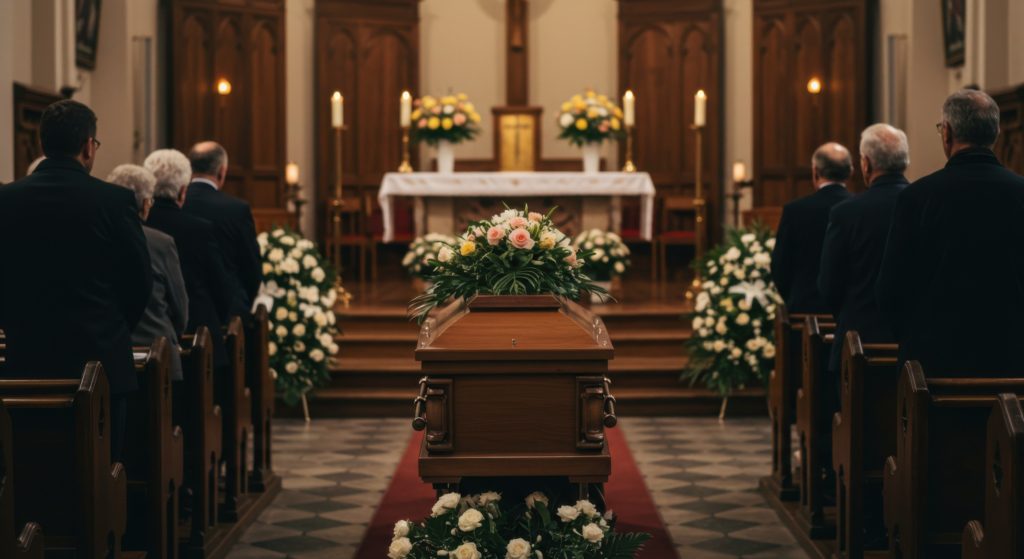
When attending a funeral or memorial service, you may notice a raised platform upon which the coffin rests. This platform is known as a catafalque and is often adorned with draped fabrics, flowers or surrounded by candles. A catafalque can hold significant ceremonial importance in various funeral traditions and provides a focal point for mourners to pay their respects and reflect on the life of the departed. Most often used in grand funerals of noteworthy people, such as popes, presidents and members of the royal family, catafalques can also be used in more common crematoriums or chapels of rest.
If you’re interested in understanding the role and history of a catafalque, we’re here to offer a deeper insight into this piece of funeral hardware and how it can help us honour our departed loved ones. Keep reading as we discuss what a catafalque is, how it is used, and the significance it holds in a funeral service below.
Why is it called a catafalque?
The term ‘catafalque’ originates from the Italian word catafalco, meaning scaffold. This accurately describes the purpose of this structure as it is a raised platform used to hold up these important containers. The first recorded use of “catafalque” dates back to the 17th century, where it described a raised platform used to support a coffin during a funeral. Over time, this term has come to signify not just the structure itself but also its ceremonial importance in funerals, particularly within Christian traditions.
What is the history of the catafalque?
The history of the catafalque is deeply rooted in European funeral traditions, particularly within the Roman Catholic Church. Historically, catafalques were used to support the casket or body of the deceased during ceremonies, serving as a focal point for public mourning and religious rites. These catafalques were often decorated elaborately with rich fabrics, candles and symbolic decorations that honoured the achievements of the deceased, most often prominent figures.
In today’s modern world, catafalques continue to be used in state funerals and memorial services across the world, symbolising respect and solemnity. Not only are they used in funerals of importance, but they can also be used as symbolic representation during Mass or other religious ceremonies. The enduring presence of catafalques being used in funeral practices highlights their significance in honouring the deceased and providing a space for collective mourning.
What is the difference between a bier and a catafalque?
Both used as structures to support a coffin or casket, there are still significant differences between a bier and a catafalque and the role they play in funeral services.
What is a catafalque?
A catafalque is defined as a decorated wooden framework that is used to support the coffin of a distinguished person during a funeral or while lying in state. Typically decorated and kept stationary, a catafalque provides dignified support for the deceased, particularly when the body lies in state for public viewing.
What is a bier?
A bier is a simple stand that is used to support a coffin or casket, often during a funeral service or viewing. Compared to a catafalque, biers are a less elaborate raised platform that are often portable, providing a place for the coffin to rest before burial, or on which they are carried to the grave.
When comparing both, the key difference is that catafalques are a more decorated and raised version of a bier and are used as a more central element in formal ceremonies. Whereas a bier is a simpler, flat frame that is used more for transporting the body during funeral processions and is commonly used in funerals across many traditions and backgrounds.
Can catafalques be used in normal funerals?
Yes, catafalques are not just exclusive to high-status individuals and national funerals; they can also be used in everyday services. In fact, most crematoriums and chapels of rest in the UK have a permanent catafalque that can be used during services. Some of these catafalques are equipped with mechanisms that can move the coffin out of view, typically behind curtains, once the service has ended. Whether you choose to adorn it with decorative elements or keep it simple, catafalques play a vital role in facilitating the final farewell across various funeral traditions.
Get funeral support from Heart of England
For answers to more of your frequently asked questions surrounding this topic, head on over to our YouTube channel for further insight. Alternatively, if you have any questions about other elements of funeral planning or the service itself, contact one of our friendly funeral directors who are more than happy to help in whatever way we can.
 Twitter
 Facebook
 Instagram